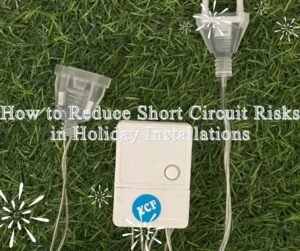
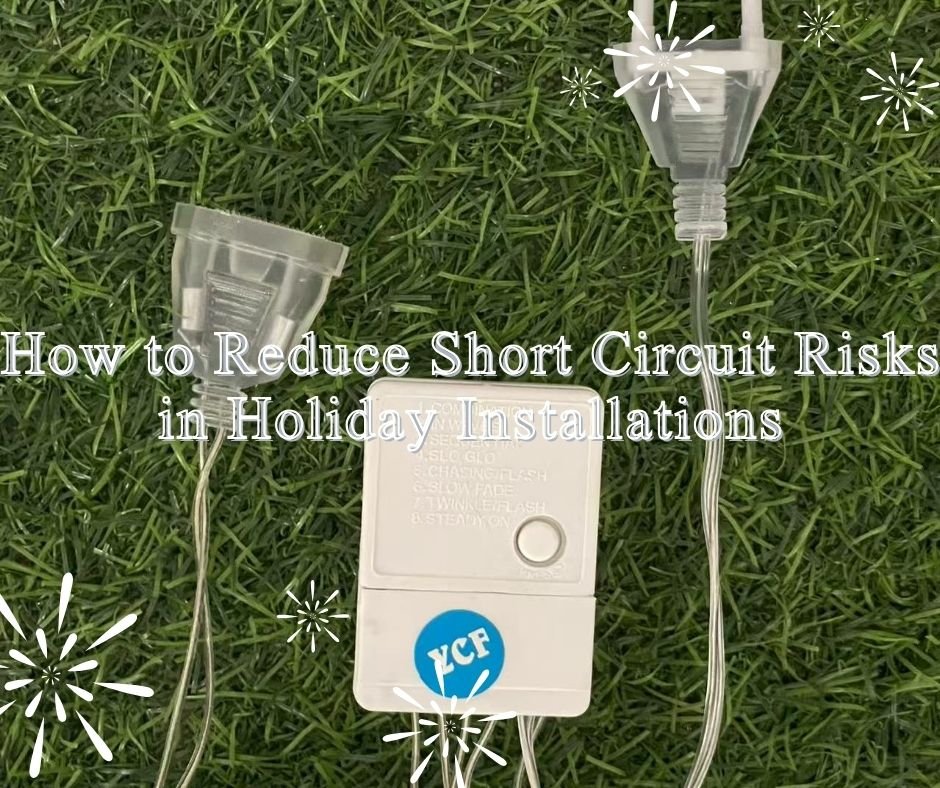
In Christmas and festive lighting projects, wires and plugs are often the most overlooked components—yet they are also the most likely to cause problems
In real-world applications, many cases of flickering lights, partial outages, or complete failures are not caused by the bulbs themselves. Instead, they result from poor connections, damaged cables, moisture exposure, or improper power configuration
Based on practical installation and project experience, this guide explains how to properly manage Christmas light wires and plugs to minimize short circuit risks and improve overall safety and reliability.
Where Do Most Electrical Problems Come From?
During large-scale installations or repeated seasonal use, Christmas light wiring commonly encounters the following issues:
• Loose plugs that lose power with slight movement
• Internal copper wire breakage after repeated bending
• Moisture entering outdoor connections, causing oxidation
• Mismatched extension cords or power supplies leading to overload
• Plugs not fully inserted but still used while energized
In the short term, these problems may only cause intermittent lighting.
Over time, they can develop into short circuits, tripped breakers, or safety hazards.
Key Principles for Proper Cable Handling
-
Avoid Sharp Bends and Excessive Tension
Christmas light cables consist of multiple fine copper strands. Even if the outer insulation appears intact, internal damage can still occur.Best practices include:
• Allow smooth curves at corners instead of sharp 90-degree bends• Avoid trapping cables under doors, brackets, or metal edges
• When removing or storing lights, coil cables along their original direction
-
Outdoor Installations Must Prioritize Waterproofing
Even when light strings are rated for outdoor use, connection points remain the weakest areas.• Keep plug connections elevated to avoid standing water
• Never leave connectors directly on the ground or grass
• Use waterproof covers or weather-resistant electrical tape for added protection
Correct Use of Plugs and Connectors
-
Always Fully Insert the Plug
A partially inserted plug is one of the most common causes of poor electrical contact.Before powering on, check that:
• The plug is fully seated
• There is no looseness or movement -
Never Energize Damp or Wet Plugs
If any of the following conditions occur, disconnect power immediately:
• Plug feels unusually warm
• Visible moisture or condensation
• A slight burning smellProper handling steps:
• Switch off and unplug the power supply
• Allow the plug to dry completely in a well-ventilated area
• Inspect for corrosion before reuse
Avoid Power Overload When Connecting Multiple Light Strings
Many short circuit issues stem from incorrect string connections.
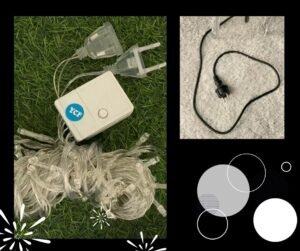
Practical guidelines:
• Follow the manufacturer’s specified maximum connectable quantity
• For commercial or large-scale projects, use multiple power circuits instead of a single continuous line
• Do not mix different wattages or product models on the same power line
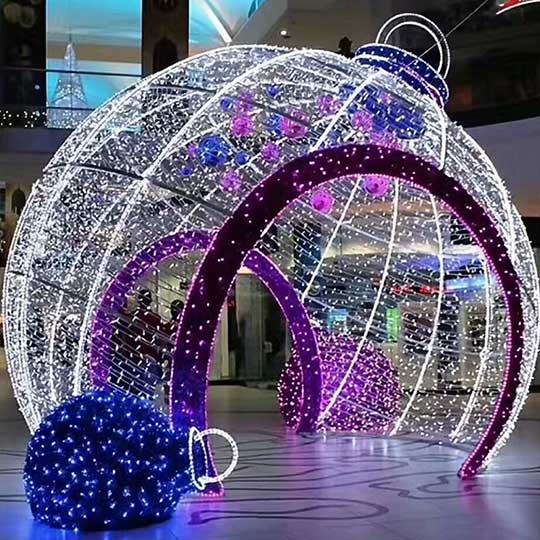
For shopping malls, streets, or large decorative projects, proper power distribution planning is often more important than the lighting products themselves.
Storage Practices Directly Affect Safety Next Season
Poor storage significantly increases the risk of problems during the next installation cycle.
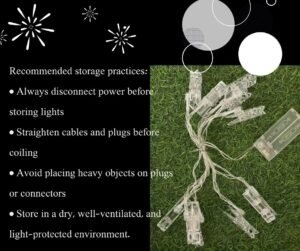
Recommended storage practices:
• Always disconnect power before storing lights
• Straighten cables and plugs before coiling
• Avoid placing heavy objects on plugs or connectors
• Store in a dry, well-ventilated, and light-protected environment.
Conclusion
The safety and stability of Christmas lights depend on more than just bulb quality. Effective management of wires and plugs is equally critical.
By following proper wiring practices, ensuring secure connections, preventing moisture exposure, and avoiding overload, you can significantly reduce short circuit risks and extend the lifespan of decorative lighting.
For commercial projects, bulk installations, or long-term outdoor use, selecting lighting products with stable cable structures, reliable connectors, and international certifications ensures a safer, more efficient, and worry-free holiday display