As the holiday season approaches, festive lights become an essential part of creating a cheerful atmosphere. When it comes to choosing the right lighting, many consumers are now comparing LED Christmas lights with traditional bulbs to see which offers better value and performance. Below, we will break down the differences between LED lights and traditional bulbs, helping you make a more informed decision and use energy-efficient lighting to its full potential.
Energy Efficiency: LED Lights Are More Energy-Efficient
LED Christmas lights are far more energy-efficient than traditional bulbs, such as incandescent or halogen lights. For the same amount of electricity consumption, LED lights provide significantly brighter illumination. This results in reduced electricity costs over time. Traditional bulbs, on the other hand, are less efficient, with much of the energy being converted into heat rather than light.
• LED Lights: Higher energy efficiency, more light per watt, lower heat output.
• Traditional Bulbs: Lower energy efficiency, higher energy consumption, more heat generation.
Longevity: LED Lights Last Much Longer
One of the major advantages of LED lights over traditional bulbs is their lifespan. LED lights typically last tens of thousands of hours, while incandescent and halogen bulbs last around 1,000 to 2,000 hours. This means you won’t need to replace LED lights as frequently, saving on maintenance costs and the hassle of frequent bulb replacements.
• LED Lights: Long-lasting, typically over 25,000 hours.
• Traditional Bulbs: Shorter lifespan, with incandescent bulbs around 1,000 hours and halogen bulbs about 2,000 hours.
Environmental Impact: LED Lights Are More Eco-Friendly
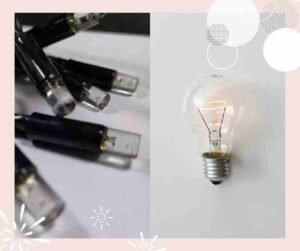
LED lights are free from hazardous materials like mercury, which can be found in some traditional bulbs. Additionally, because LED lights are more energy-efficient, they contribute to a lower carbon footprint, making them a more sustainable choice for consumers.
• LED Lights: Mercury-free, eco-friendly, and energy-efficient.
• Traditional Bulbs: May contain harmful substances and are less energy-efficient.
Color and Brightness: LED Lights Offer More Variety
LED lights offer a wider range of colors and brightness options compared to traditional incandescent bulbs. From warm white to cool white and vibrant colors, LED lights can be customized to create a festive mood that suits any décor. In contrast, traditional bulbs typically have a single, dimmer light output and a limited color palette.
• LED Lights: Available in a range of colors, dimmable, customizable brightness.
• Traditional Bulbs: Limited in brightness and color options.
Cost Comparison: Initial Investment vs. Long-Term Savings
Although LED lights tend to have a higher upfront cost compared to traditional bulbs, their long-term cost-effectiveness is evident. The energy savings and longer lifespan of LED lights mean they will ultimately cost less to operate over time, especially during the holiday season when lights are used for extended periods.
• LED Lights: Higher initial cost but long-term savings on energy and replacement costs.
• Traditional Bulbs: Lower initial cost but higher long-term expenses due to frequent replacements and high energy consumption.
How to Use Energy-Efficient LED Lights Effectively
• Choose the Right Power and Brightness: Select LED lights with appropriate power and brightness for your needs to avoid wasting energy.
• Use Timers or Smart Controllers: Set up timers or smart systems to automatically turn the lights on and off at scheduled times, ensuring they’re only on when needed.
• Avoid Overdecorating: Excessive use of lights can increase energy consumption. Opt for simple yet striking designs that save energy while still looking beautiful.
• Buy Quality LED Lights: Invest in certified, high-quality LED lights to ensure maximum energy efficiency and safety.
Conclusion
LED Christmas lights outperform traditional bulbs in energy efficiency, lifespan, environmental impact, and light variety. They not only save you money on electricity and replacements but also help reduce your carbon footprint. By making the switch to LED lights and using them wisely, you can enjoy a beautiful, festive lighting display that is both cost-effective and eco-friendly.